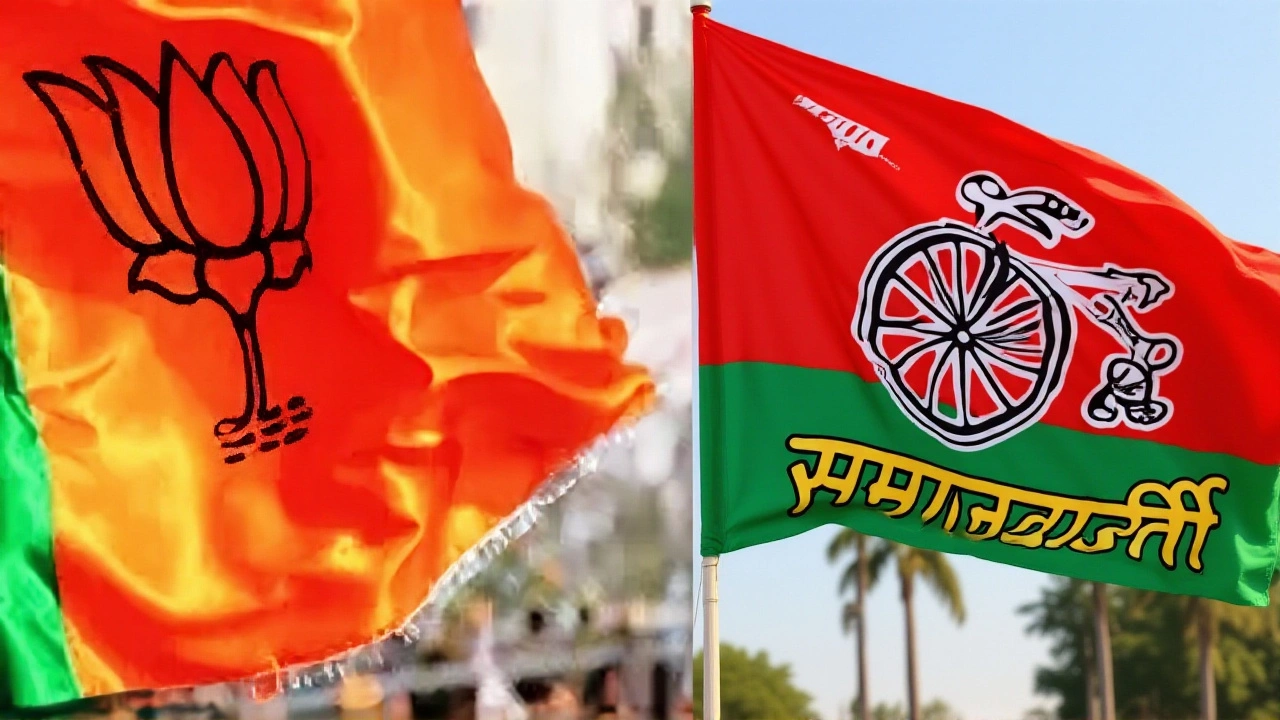
When Vijay Bahadur, a prominent leader from the Bharatiya Janata Party, announced his move to the Samajwadi Party, it wasn't just another political switch in Uttar Pradesh. It was the opening salvo in what looks like a calculated, multi-front assault on the state’s ruling government. The timing is no accident.
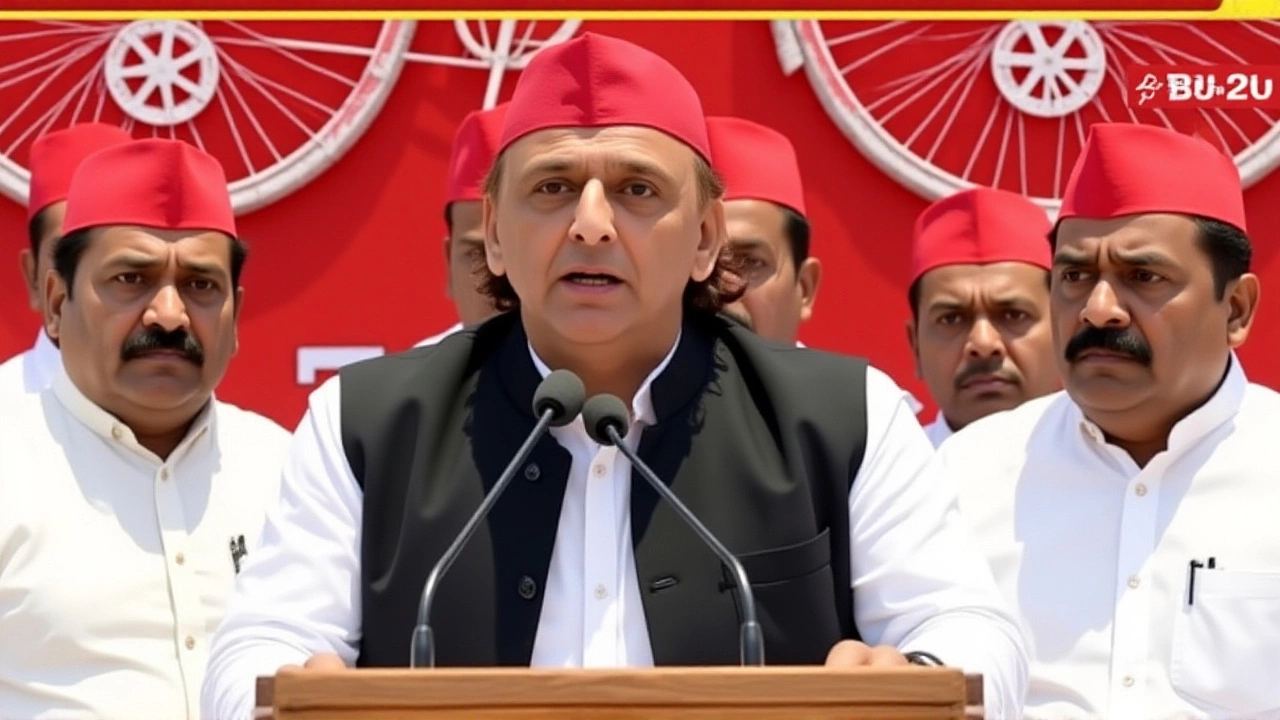
The defection comes as Akhilesh Yadav, President of the Samajwadi Party, publicly challenges Deputy Chief Minister Keshav Prasad Maurya with a bold ultimatum: bring 100 MLAs, and we’ll form the government. With 403 seats in the assembly, the math is stark. But this isn’t just about numbers—it’s about signaling instability.
The Digital War Room
Here’s the thing: modern Indian politics doesn’t just happen in party offices anymore. It happens on X (formerly Twitter). Akhilesh Yadav has been using social media like a weaponized megaphone. In one evening alone, he fired off three tweets targeting the BJP’s internal cohesion.
First, he claimed the BJP was being “ruined” by internal fights. Then, he alleged that a top BJP leader refused to accept leadership directives. Finally, he dropped the headline-grabbing offer: “Bring 100 MLAs, form the government.” This wasn’t casual chatter. It was strategic messaging designed to plant doubt among BJP legislators and energize SP supporters.
Keshav Prasad Maurya had earlier tweeted that the BJP government was strong. Akhilesh’s response? A direct counter-narrative suggesting the opposite—that the house of cards is cracking from within. Whether any MLA actually defects remains to be seen, but the psychological impact is already underway.
Alliance Arithmetic: The 7-3 Split
But wait—the real story might not be the defections or the tweets. It’s the backroom deals. According to sources cited by ABP News, the Samajwadi Party and the Indian National Congress are negotiating an alliance for upcoming by-elections in 10 assembly constituencies across Uttar Pradesh.
The proposed split? Seven seats for the SP, three for the Congress. That’s significant because it gives the Congress—a party long marginalized in UP—political space to re-enter the fray. And here’s the twist: in exchange, the Congress reportedly agreed to allocate seats to the SP in future assembly elections in Maharashtra and Haryana. Think of it as a cross-state trade deal: you give us room in UP, we give you footholds elsewhere.
This arrangement suggests Akhilesh Yadav isn’t just fighting for power in Uttar Pradesh—he’s positioning the SP as a national player capable of influencing outcomes beyond its traditional base. If formalized during the next Parliament session in New Delhi, this could reshape opposition strategy nationwide.
Ground Game: Accusations of Hatred and Theft
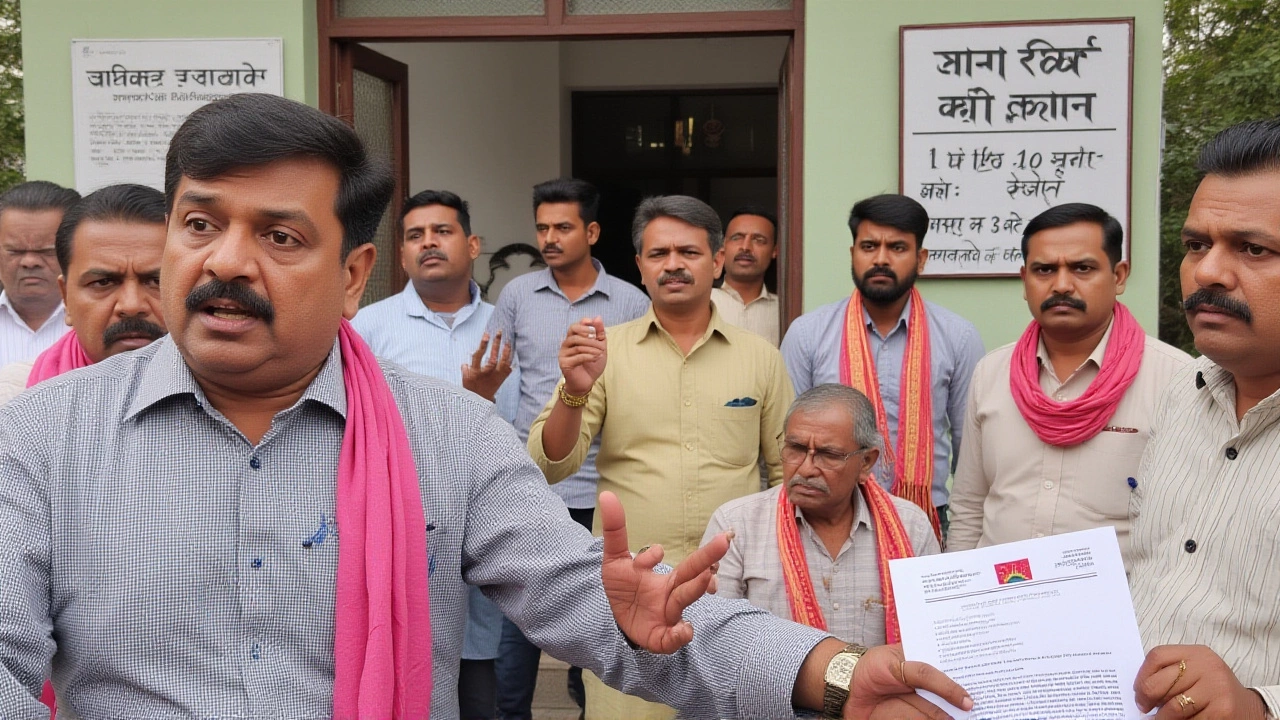
While digital warfare rages online, the ground game is equally intense. In Shravasti district, Shyam Lal Pal, State President of the Samajwadi Party, launched scathing attacks against the BJP-led “double engine” government—referring to the simultaneous presence of BJP at both state and central levels.
Pal accused the BJP of replacing development with division, claiming they spread hatred across religious lines and deepen caste divides. His most explosive charge? That the BJP evolved from stealing votes to stealing fertilizer—an agricultural input critical for farmers in rural districts like Shravasti. “They were vote thieves before,” Pal said. “Now they’re fertilizer thieves too.”
He also alleged double standards in criminal labeling, saying BJP leaders ignore wrongdoing among their own allies while branding poor communities—especially Brahmins in Kanpur—as criminals. These accusations resonate deeply in agrarian belts where trust in governance is fragile.
Why This Matters Beyond Uttar Pradesh
The ripple effects extend far beyond Lucknow. If the SP-Congress alliance holds, it could serve as a blueprint for other regional parties seeking to challenge BJP dominance through coordinated seat-sharing rather than fragmented opposition. Moreover, if even a fraction of those rumored 100 MLAs defect, it would trigger constitutional crisis-level speculation about minority governments and hung assemblies.
Experts note that such mass defections rarely succeed without financial incentives or severe internal fractures—but the mere possibility keeps pressure on BJP lawmakers. Meanwhile, the PDA formula (Poor, Dalit, Aam Aadmi) continues gaining traction among targeted voter groups, especially when paired with visible allyship gestures like conceding seats to Congress.
What’s Next?
Watch for two key developments. First, whether the SP-Congress seat-sharing agreement gets formally sealed during the upcoming Parliament session in New Delhi. Second, whether any high-profile BJP MLAs follow Vijay Bahadur into the SP fold—or if Keshav Prasad Maurya doubles down on loyalty pledges to stabilize his camp.
Also keep an eye on Maharashtra and Haryana. If the reciprocal seat promises materialize, expect fresh turf wars between regional outfits and national parties there. For now, though, all eyes remain on Uttar Pradesh—where every tweet, every rally, and every whispered negotiation feels like a chess move toward the next big election.
Frequently Asked Questions
Who is Vijay Bahadur and why does his defection matter?
Vijay Bahadur is a senior Bharatiya Janata Party leader who recently joined the Samajwadi Party. His move matters because it signals potential cracks within the BJP’s legislative ranks in Uttar Pradesh, which currently holds a majority in the 403-seat assembly. Even symbolic defections can weaken morale and embolden opposition strategies.
What exactly did Akhilesh Yadav offer to Keshav Prasad Maurya?
Akhilesh Yadav publicly challenged Deputy Chief Minister Keshav Prasad Maurya via social media, stating that if Maurya could bring 100 MLAs to the Samajwadi Party, a new government could be formed in Uttar Pradesh. Given the assembly size of 403, this implies a coalition scenario requiring broader support—but primarily serves as psychological warfare to question BJP stability.
Is there really an alliance between SP and Congress for by-elections?
Sources indicate preliminary talks have begun for a by-election alliance covering 10 assembly seats in Uttar Pradesh, with a tentative 7–3 split favoring the Samajwadi Party. Additionally, reports suggest a larger quid pro quo wherein the Congress would grant SP seats in future elections in Maharashtra and Haryana. Formal confirmation awaits discussions during the next Parliament session.
What accusations did Shyam Lal Pal make against the BJP?
SP State President Shyam Lal Pal accused the BJP’s “double engine” government of promoting hatred over development, weakening democratic institutions, and engaging in corruption—including allegedly stealing fertilizer meant for farmers. He also criticized selective enforcement of law-and-order narratives, particularly targeting poor and Brahmin communities in Kanpur.
How does the PDA factor fit into this political strategy?
The PDA framework—targeting Poor, Dalit, and Aam Aadmi voters—is central to the Samajwadi Party’s outreach in Uttar Pradesh. By combining inclusive rhetoric with tactical alliances like the proposed SP-Congress pact, Akhilesh Yadav aims to consolidate anti-BJP sentiment across diverse demographic segments, making the PDA model more effective in mobilizing grassroots support ahead of future polls.