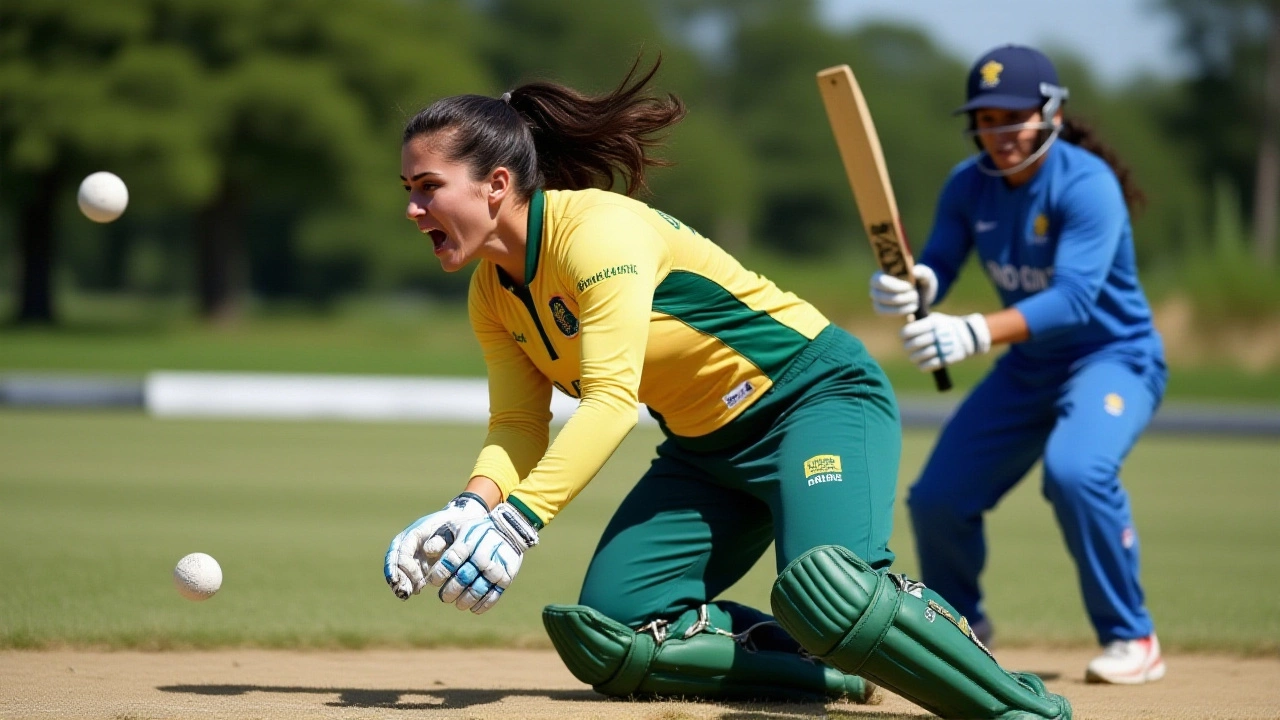
There is no such thing as a T20 world record where a single bowler takes nine wickets while the opposing team collapses for just 13 runs. If you’ve seen headlines claiming this happened recently—especially on social media or sensationalist local news portals—they are either referring to an unverified local club match, a video game simulation, or simply misinformation. In official international cricket, governed by the International Cricket Council, such a feat is structurally impossible under current rules.
Here’s the reality check that separates fact from viral fiction. A standard Twenty20 (T20) match consists of 20 overs per side. Crucially, each bowler can deliver a maximum of four overs in any given innings. This means the absolute maximum number of balls a single bowler can face against the batting side is 24. Since there are only 10 wickets in a team, taking nine wickets requires dismissing nine different batsmen. While mathematically possible to take nine wickets if they all fall quickly, doing so while restricting the total team score to 13 runs defies every statistical probability and historical precedent in professional cricket.
The Mathematical Impossibility of a 13-Run Total with Nine Wickets
To understand why this claim doesn’t hold water, let’s look at the numbers. In T20 cricket, teams rarely get all out for less than 50 runs, even in dominant bowling performances. The lowest official T20 International (T20I) team total is 25 runs, achieved by Namibia against Ireland in 2018. Even then, it took multiple bowlers to achieve that collapse.
If one bowler were to take nine wickets, they would need to dismiss nearly the entire opposition within their four-over quota. That leaves zero overs for other bowlers to contribute significantly to the wicket count. More importantly, conceding only 13 runs across those deliveries implies an average of roughly 1.6 runs per over, with almost no boundaries and minimal extras. While exceptional economy rates exist, combining them with nine wickets in a single spell has never occurred in recorded history because batsmen typically rotate strike or defend during such spells, preventing rapid wicket accumulation without conceding more runs.
Where Did This Myth Come From?
Misinformation like this often stems from three sources:
- Local Club Matches: In informal tournaments played in villages or corporate leagues, field sizes are smaller, pitches are unpredictable, and skill levels vary wildly. It is conceivable that a skilled spinner might take many wickets cheaply in such conditions, but these matches are not recognized by the ICC or any national board.
- Video Games: Titles like EA Sports Cricket or mobile games sometimes generate unrealistic stats due to AI errors or player manipulation, which users may screenshot and share as real-life events.
- Sensationalist Headlines: Some websites exaggerate minor achievements (like five wickets for 10 runs) into “nine wickets for 13” to drive clicks, knowing most readers won’t verify the details.
As of October 2024, no credible source—including Cricinfo, ESPNcricinfo, or official ICC databases—has ever recorded a nine-wicket haul in T20 cricket. The best-ever bowling figures in T20Is belong to Aasif Sheikh of Pakistan, who took 6/7 against Zimbabwe in 2017. Even that performance was considered extraordinary.
Why Official Records Matter
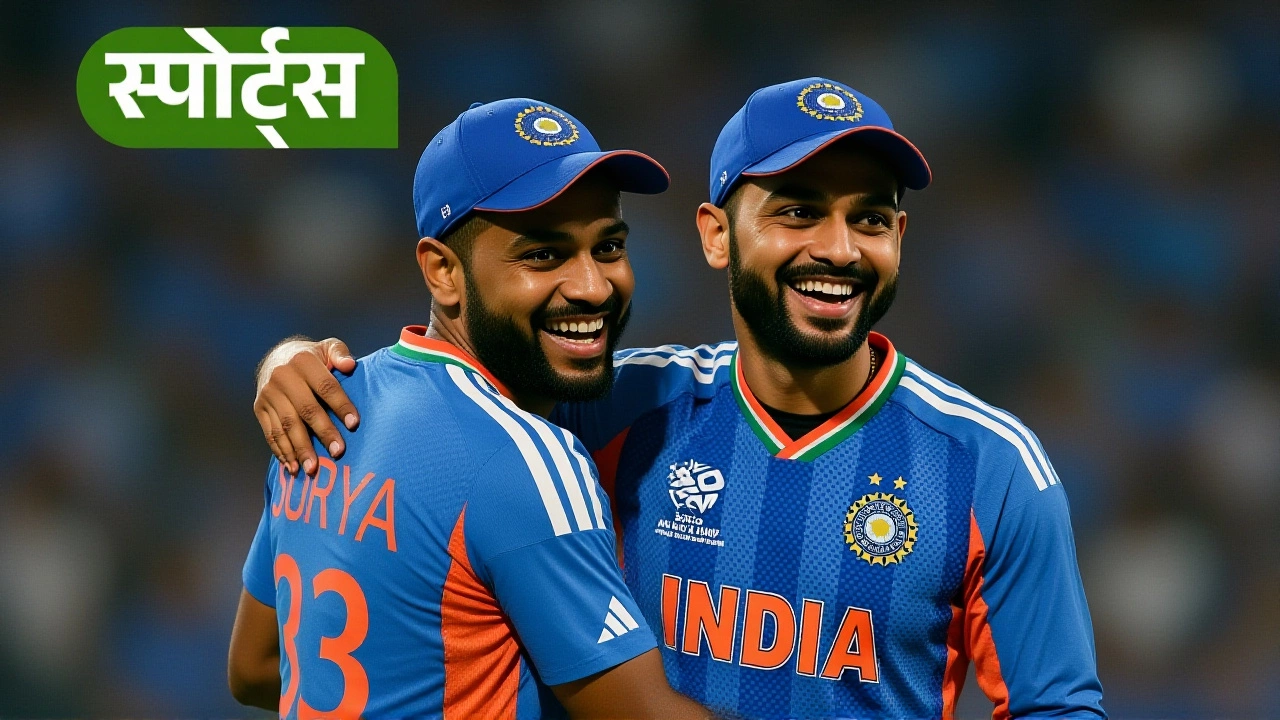
In professional sports, records are meticulously tracked to ensure integrity. The Board of Control for Cricket in India (BCCI) and other major boards maintain strict protocols for verifying statistics. Any claim of a “world record” must be ratified by these bodies. Without official documentation, umpire reports, and broadcast footage, a statistic remains anecdotal at best.
This isn’t just about semantics—it’s about respecting the athletes who actually break barriers. When we spread false narratives, we dilute the impact of genuine achievements. For instance, when Anrich Nortje took 5/8 for South Africa against Afghanistan in 2023, it was celebrated globally because it was verified, contextualized, and statistically significant.
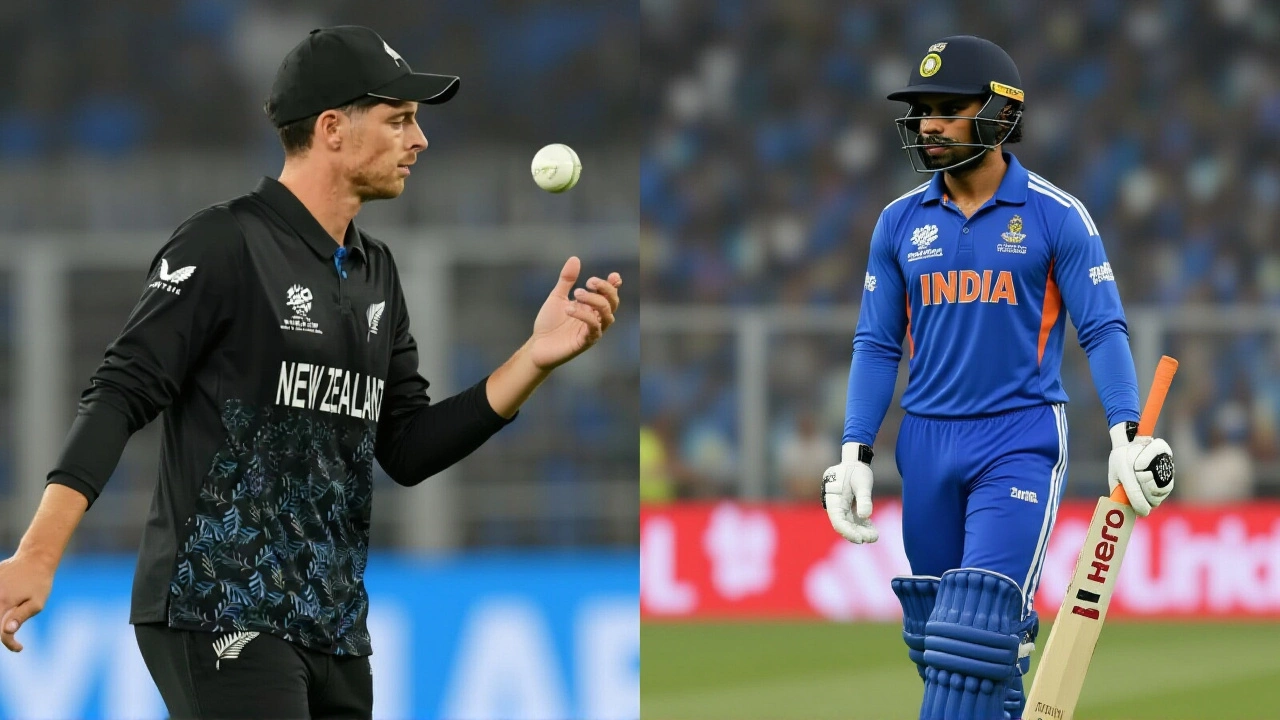
What Should You Do Next Time You See Such Claims?
Always cross-check with primary sources. Look for:
- Official scorecards from ICC or national board websites.
- Live broadcast replays showing the full innings.
- Reports from established journalists covering the tournament.
If a story lacks names, dates, venues, and verifiable data, treat it with skepticism. In an era where digital content spreads faster than truth, critical thinking is your best defense against misinformation.
Frequently Asked Questions
Has anyone ever taken 9 wickets in a T20 match?
No. No bowler has ever taken nine wickets in any official T20 match, including international, domestic, or franchise leagues. The highest recorded wicket tally in a single T20 innings is six, achieved by several players like Aasif Sheikh and Anrich Nortje. Due to the four-over limit per bowler, accumulating nine wickets is statistically near-impossible without extreme luck and poor batting conditions.
What is the lowest team total in T20 cricket?
The lowest official T20 International team total is 25 runs, scored by Namibia against Ireland in June 2018. In franchise leagues like the IPL, the lowest total is 49 runs, set by Royal Challengers Bangalore against Kolkata Knight Riders in 2017. A total of 13 runs has never been recorded in any professional T20 match.
Why can't a bowler bowl more than 4 overs in T20?
The ICC mandates that no bowler can exceed four overs in a 20-over innings to ensure variety in attack and prevent fatigue-related injuries. This rule forces captains to rotate bowlers, making it impossible for one individual to dominate the entire innings with both wickets and economy rate unless the opposition collapses completely—which is rare.
Are local club cricket records considered world records?
No. World records in cricket are only recognized for matches sanctioned by the ICC or national governing bodies like the BCCI, ECB, or CA. Local club, school, or corporate tournaments do not qualify for official recognition, regardless of how impressive the performance may seem locally.
How can I verify cricket statistics online?
Use trusted platforms like ESPNcricinfo, the official ICC website, or national board archives. These sites provide ball-by-ball commentary, official scorecards, and historical data. Avoid relying solely on social media posts or unverified news articles, which often lack editorial oversight and factual accuracy.